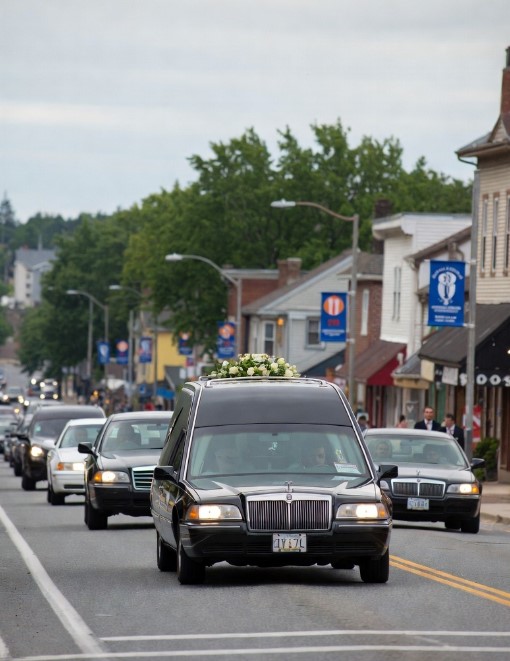
Funeral Processions: Where Did They Come From?
Have you ever wondered why we form a solemn line of vehicles, headlights blinking, as we accompany a loved one to their final resting place? Funeral processions are one of the oldest traditions in human history, allowing family and friends to escort the deceased on their “final journey.”
The origins of funeral processions can be traced back thousands of years to ancient civilizations. In Egypt around 3000 BCE, elaborate processions were essential for preparing the soul for the afterlife. The mummified body was pulled on a sled or carried across the Nile in a ceremonial boat, accompanied by priests, professional mourners, musicians, and dancers, who performed rituals specifically to aid the spirit’s transition.
Similar traditions began in ancient Greece and Rome, where processions honored the deceased’s family legacy and social status, often with torch-lit parades or horse-drawn hearses at dawn or night.
Today, funeral processions have evolved with the times, from foot marches and horse-drawn carriages to modern motorcades led by a hearse. A common tradition is turning on headlights to identify the group and signal respect for other drivers. The etiquette is to stay close together, follow the lead vehicle, and yield to a procession if you encounter one on the road. This simple act honors not just the departed, but the enduring human need to say goodbye together.